You buy your very first planner, feeling absolutely ready to finally get organized. Then you open Instagram, and suddenly your simple planner looks… kinda naked.
Everyone else has matched sticker kits, color-coded tabs, washi tape in every pattern imaginable, five different pens, and dashboards you didn’t even know existed. Your $15 planner purchase quietly turns into a whole $150 shopping list.
I’ve been there, seriously! And I remember that I ended up spending way more than I want to admit chasing the “ideal-looking” setup before realizing most of it wasn’t making me more organized but just sitting in a drawer.
But let me tell you something. After a few years of error, trial, and a LOT of unusual stickers, I’ve landed on a small handful of accessories that actually earn a spot in my backpack.
Here they are, plus what I stopped buying, so you can skip the expensive learning curve I went through.
The 9 Planner Accessories I Actually Use #
Here are the planner accessories I found genuinely useful. I use each of these regularly, and they have clear practical functions in my system:
#1. Sticky Notes #
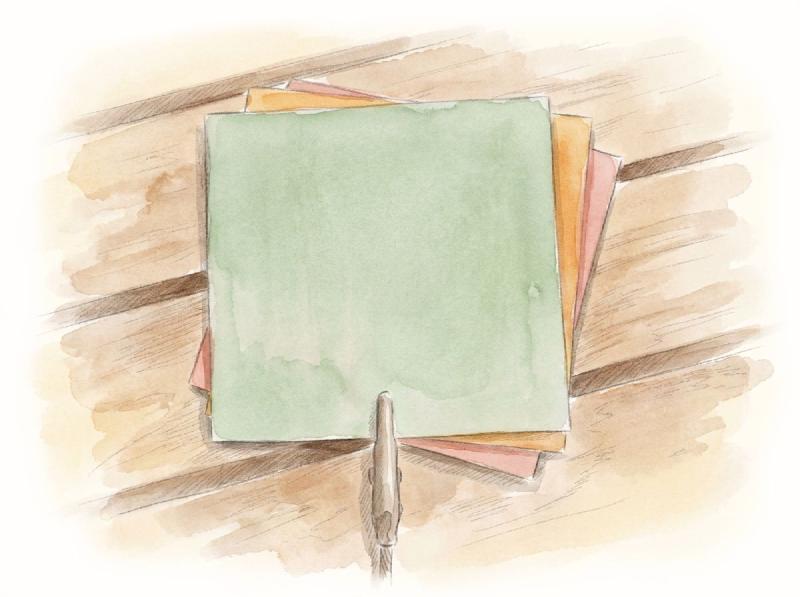
Sticky notes are a lifesaver for flexibility and temporary reminders. I personally keep a small pack of sticky notes handy. And whenever an appointment or task changes day, I just peel off the note and stick it on the new date. That’s it!
This way, I can always shuffle things without rewriting or crossing out anything. Plus, I even jot down a list of ideas in my notes when I’m brainstorming and then move them into my planner when needed.
For reminders or loose tasks, they come in handy. Above all, it keeps my planner neat.
Let’s say, if a meeting gets rescheduled, I move the note to the new date. This saved me once when I nearly double-booked myself before I rewrote everything.
#2. Highlighters #
There’s no doubt that a couple of colored highlighters are the best way to highlight priorities and color-code. I used one color for urgent or personal items and another for work-related stuff.
And it works amazingly. Because at a single glance, I see what’s on my plate in each area immediately. In addition, they help me quickly categorize important information.
For instance, I highlight:
- All deadlines in yellow
- Appointments in pink
- Grocery reminders in green
Believe me, it makes scanning my weekly page so easy-peasy, without me having to write any extra words at all. I keep it simple too, because too much color breaks the focus.
I mean, I don’t highlight every line (that would be messy!). Just main items like “Submit report” or “Pay bills” get highlighted.
#3. Planner Pens #
Not all pens are equal, and you should know that. A low-bleed, smooth pen is one of my “must-haves.” I often keep one or two of my favorite pens with me at all times.
Because the right pen makes journaling pleasant and avoids bleeding through the paper.
I use a black fine-tip gel pen for daily entries and maybe one colored pen for accents. The consistency elaborates that I’m not hunting for a pen that works (as my favorite one is always there).
But you know what? Initially, I was also making many mistakes here.
I learned the hard way that a cheap ballpoint smudged and made my planner look sloppy. Switching to a fine-liner pen changed everything. Now my notes look clean and nice.
#4. Planner Stickers #
I enjoy stickers, and I’m sure many of you also do.
But still, I keep only a few on hand. The magic is in choosing functional stickers over decorative ones. Functional stickers (like icons, checklists, or dots) highlight tasks without excess.
Normally, I treat decorative stickers as optional. You’ll see some motivational or festive stickers in my spreads, but sparsely… usually on the special dates or cover page.
For daily use, I rely on functional stickers. Most of the time, I use a small dot sticker to mark exercise days or a dollar sign sticker for payday. That’s enough to provide me with a visual cue.
Don’t use too many. Because if you do, it can quickly escalate into a whole cluttered mess. In practice, I rarely miss the dozens of cute stickers others use. After all, a small sheet of various functional ones goes a long way without any hassle.
#5. Washi Tape #
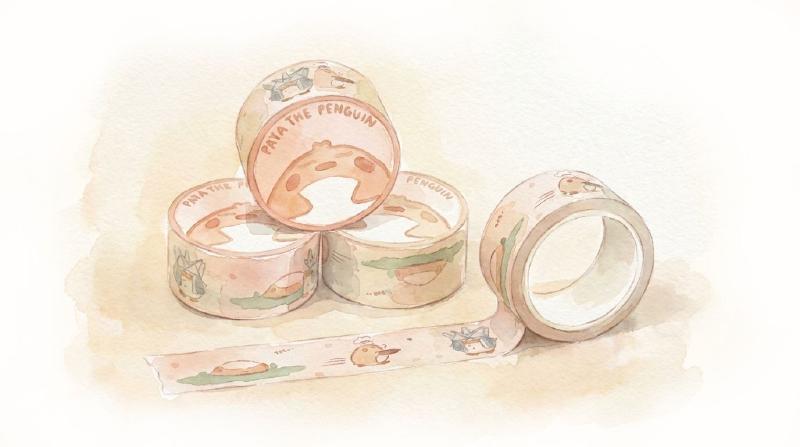
My next favorite is washi tape. Although many people use it for merely decorative purposes, I use it in functional ways too. Yes, that’s right.
The thing is, I keep a couple of rolls with subtle patterns.
Here’s how I use it:
- I use a strip of washi tape as a section divider or to cover some random mistake.
- For example, if I made an error or wished to redraw a divider line, I would stick a thin washi tape over that spot. That way, it brightens the page, and the errors get fixed too.
- I also use it to separate work vs. personal sections or mark weekends for a gentle reminder.
But yes, you have to avoid its overuse. A little goes a long way, so don’t wallpaper all your pages for absolutely no reason.
#6. Page Tabs #
Page tabs (self-adhesive dividers) are one of my top recommendations for quick navigation. I put tabs on the very first page of each month or crucial section.
Why tabs? If I want to jump to July or October or to my budget section, the tabs let me find it in a split second. This is especially useful in thick planners or when flipping back and forth.
Suppose I’m going to plan a trip two months ahead; I’d simply use a tab to mark the “Travel” section.
Doing this saved me when I needed to jot down details while in a meeting, too. Instead of leading through the entire book, a quick flip brought me just right there.
#7. Paper Clips & Magnetic Clips #
Not only are paper clips and magnetic clips handy, but they are also very affordable. In fact, I regularly use them on my planner’s binding to keep it organized.
Here’s how:
- Marking Current Pages: I use a magnetic clip to mark the current week. Whenever I open my planner, I’m immediately on the right page. It’s quicker than writing a ribbon or flipping.
- Holding Inserts or Loose Papers: Similarly, paper clips are best for securing things like notes, receipts, or a business card inside the planner. I’ll attach them to the page I’m writing on… always.
If your weekly planner has a ring or coil binding, a clip-on cover or retractable clip can even hold the cover shut. No more opening to find a mess inside.
#8. Storage Pouch #
Last but not least, a small zip pouch or folio is a true organizer for the organizer. I use it to store my stickers, pens, extra supplies, and sticky notes all in one place.
It keeps everything safe and helps me whenever I’m going to use my planner.
If I carry my planner around, I toss the pouch inside the cover or clip it on. As simple as that. No more loose pens rolling around in my bag or a mess of tiny bits.
Your pouch should ideally have a few pens, a couple of highlighters, a mini stack of sticky notes, and a small set of stickers.
Whenever you switch between your work planner and home bullet journal, just move the pouch along. It will save you from repurchasing duplicates and keep everything at hand.
Related: The Ultimate Planner Glossary: 40+ Terms Every Beginner Should Know
Accessories I Thought I Needed (But Rarely Use) #
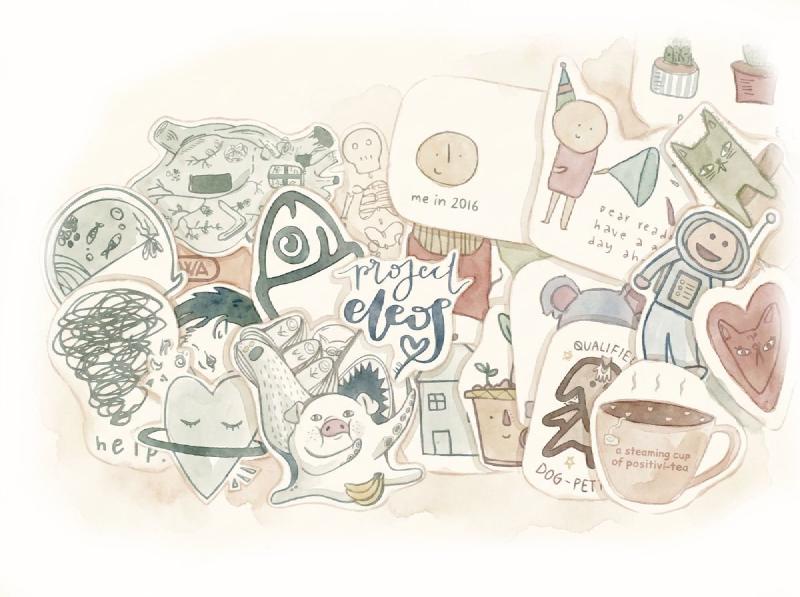
This list is purely for authenticity: I’ve splurged on a lot of stuff that ended up untouched. You don’t need these (trust me!):
- Fancy Stamps and Ink Pads → Yeah, they look cute, but most weeks I never feel like stamping. They add bulk and cost time. I’d rather write a quick note than pull out a whole stamp kit.
- Hundreds of Stickers → I once bought an entire bundle of themed stickers “for motivation.” And guess what? Half are still in the package after years. So now, I only stick to functional ones.
- Five Different Planners → I had a bullet journal, a day planner, a travel planner, etc. Honestly, managing all of them was literally chaos. Now, I’ve finally found one main planner (plus printable pages if needed) that does the job.
- Too Many Pens/Markers → In the beginning, I used to have 12 colored pens on my desk. But not anymore. Because now I understand that it’s better to keep only a couple that you LOVE.
- Decorative Clips → Cute unicorn or fruit-shaped clips are tempting, I know. But a plain binder clip does the same trick of holding papers (and, of course, costs less).
- Excess Inserts → That set of extra note pages or fancy grids? Wrong decision. I rarely use them; most of my notes now go in a digital planner or notebooks. A planner is for planning, not dumping all papers into it.
One mistake I made constantly before was buying accessories “just in case.” But that never helped! Over time, I began to realize that buying less usually leads to a more consistent, simpler planning routine. The more minimal setup assisted me in sticking with planning daily and weekly… not off and on.
Planner Accessories Comparison #
Below is a quick table comparing these accessories:
| Accessory | Best For | Beginner Friendly? | Everyday Use |
|---|---|---|---|
| Sticky Notes | Temporary tasks, reminders, notes | Yes (very easy) | Often (if things shift) |
| Highlighters | Color-coding tasks & appointments | Yes (easy colors) | Often (weekly reviews) |
| Pens (smooth/gel) | Writing clearly & neatly | Yes (choose one) | Every entry |
| Planner Stickers | Marking events (dot/checklist icons) | Yes, but sparingly | Occasional |
| Washi Tape | Section dividers, small decorations | Good if subtle | Sometimes |
| Page Tabs | Quick navigation (months, projects) | Yes (very helpful) | Often (rearrange once a month) |
| Clips (paper/mag) | Marking the current page, holding papers | Yes, pretty simple | Every day (current page) |
| Storage Pouch | Organizing pens, stickers, notes | Good but optional | Often (portable) |
Beginner Planner Kit: What I’d Buy Again #
If I were starting all over, here’s the small kit I’d actually buy without any hesitation:
- One planner
- One smooth, reliable pen
- A pack of small sticky notes
- One or two highlighters
- A set of page tabs
- A few functional stickers (checkmarks, priority flags)
That’s genuinely enough. This small setup covers navigating, writing, tracking, and prioritizing… all four things a planner accessory actually needs to do. Everything else is optional extra flair you can add later, if and when you want it.
Tips for Choosing Planner Accessories #
- Buy Slowly. Simply add one accessory at a time and see if you reach for it after two weeks.
- Prioritize Function Over Aesthetics. A pretty accessory you never use isn’t going to help with your organization at all.
- Choose Accessories That Fit Your Planning Style. A hybrid digital-and-paper setup needs different tools than a purely paper-based one.
- Don’t Copy Influencer Setups. What seems “the best” in a flat-lay photo isn’t always what makes your planning easier in real life.
- Keep Your Planner Portable. A bulk accessory collection means you will stop carrying your planner altogether.
- Experiment Before Investing. Try a cheap version of an accessory first before you commit to an expensive one.
Final Thoughts #
If you’re working from Weekly-Planner.com’s printable planning pages, a simple accessory setup pairs very well.
After all, the templates already do a lot of organizational heavy lifting, so you really just need a highlighter, a pen, and maybe a tab or two to make the most of them.
There’s good reason to trust that the writing itself matters, even before you add any accessories to it. A well-known Dominican University study revealed that people were around 42% more likely to achieve their goals when they wrote them down, compared with simply thinking about them.
And when it comes to sticking with the planning habit itself, patience pays off. Because another research shows that it takes an average of 66 days to form a new habit.
So make sure you give your planning routine some time to settle in before deciding whether it’s working!
Feature image by cindy fernandez on Unsplash