You open YouTube, searching for a simple answer: “How should I plan my week?”
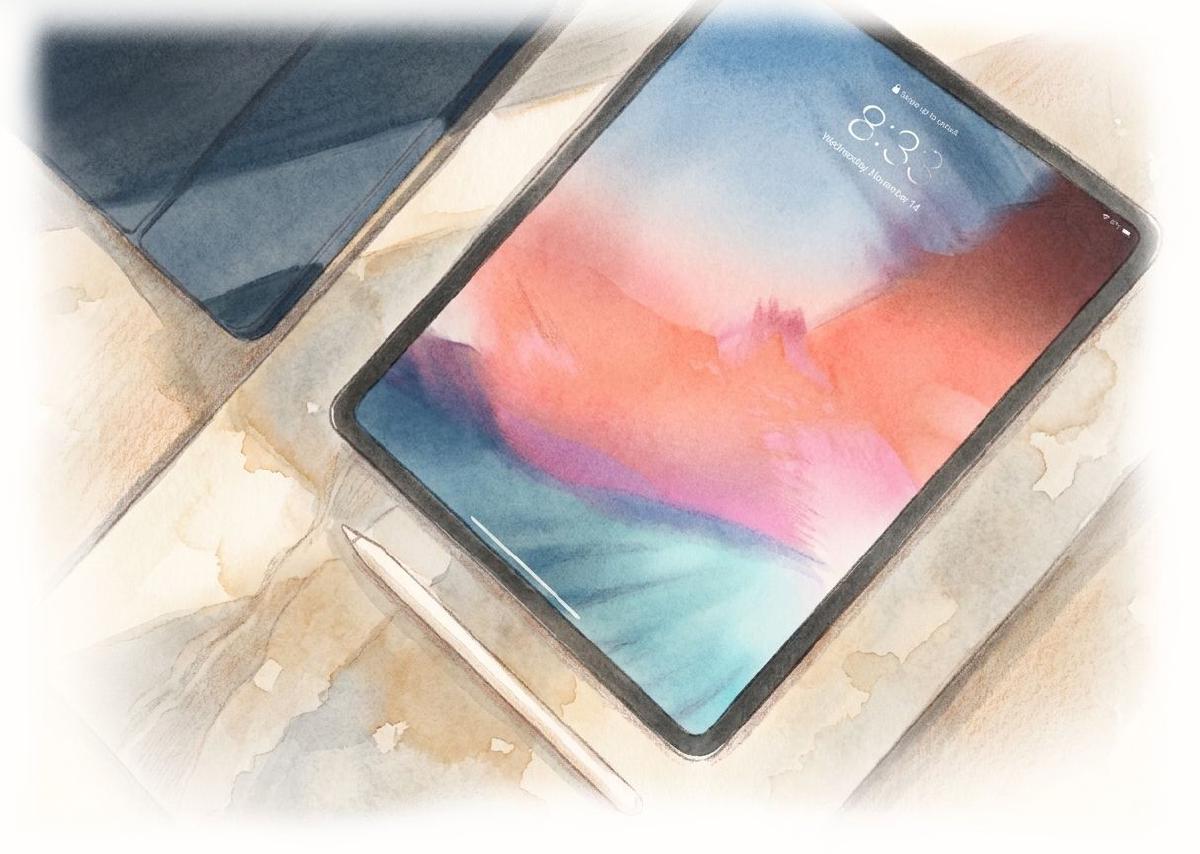
But exactly thirty minutes later, you’ve watched four different creators. One swears by her iPad and a digital planner app (cloud-synced, color-coded, accessible from anywhere). Another holds up her leather-bound paper planner like it’s an artifact, claiming it entirely transformed her mornings. A third uses both, somehow, and makes it look effortless.
Now you’re even more confused than when you started…
But as someone who spent years experimenting with weekly, daily, and even monthly planners (both in paper and digital form), let me tell you a truth: There’s literally no single “right” way to plan. But there is a “right way” for you… and this guide will help you figure out exactly what that is.
We’ll break down the real differences between digital and paper planning, cover the honest pros and cons of each, and help you decide which system (or combination!) actually fits the way you live and work.
Quick Comparison: Digital Planner vs Paper Planner #
Before we go deep into the comparison, here’s a quick overview of how these two planning methods stack up:
| Feature | Digital Planner | Paper Planner |
|---|---|---|
| Accessibility | Available on any synced device, anywhere | Physical copy only; must carry it with you |
| Portability | Lightweight — lives on your phone or tablet | Varies by size; can be bulky |
| Writing Experience | Typing or stylus; less tactile satisfaction | Pen on paper; more personal and sensory |
| Customization | Highly flexible; templates are easy to swap | Limited by the planner’s layout; printables help |
| Cost | Free to moderate; some apps have subscriptions | One-time purchase; ongoing refill costs |
| Distractions | High risk — notifications, social media nearby | Very low; no pings, no apps |
| Organization | Search, filter, and sort with ease | Relies on tabs, bookmarks, and visual layout |
Digital Planner vs Paper Planner: Key Differences #
-
Writing Experience #
There’s something almost meditative about writing by hand. The slow drag of pen across paper forces you to think before you write. And that is helpful because you cannot just brain-dump at 80 words per minute and call it “planning.”
NCBI study has also revealed that handwriting activates more brain regions than typing, especially in areas related to memory encoding, motor control, and visuospatial processing. That deep neural engagement may be part of why handwritten notes usually stick better.
On the other hand, digital planners are pretty fast. You can type quickly, reorganize tasks within seconds and duplicate templates. So if you’re a professional handling multiple projects, and speed is important to you, you can never go wrong with this to save your time.
-
Accessibility and Convenience #
At some point in life, everyone has those moments when they think of a task while standing in line at a random grocery store. With a digital planner, you just open an app and immediately capture it without delay. In short, you always have your planner in your pocket.
Paper planners, in contrast, require you to have the planner with you (wherever you go). Leave it at home once, and your entire system shatters without warning. That said, digital doesn’t automatically mean more convenient for everyone.
If you spend your first 10 minutes of each morning staring at your phone, a paper planner on your desk may actually be easier to access and even more calming to use. In a nutshell, digital wins for “on-the-go” accessibility, while paper wins for distraction-free planning space.
-
Focus and Distractions #
Paper planners quietly win in this aspect, and in ways people don’t expect. As a matter of fact, an average American spends more than 7 hours/day looking at screens.
So when you open a digital planner on your mobile or PC, you’re also opening a gateway to every app, notification, and rabbit hole on it. One quick check of your planner turns into a 30-minute doom-scrolling session on Instagram.
Paper doesn’t do that. Paper just… sits there. Waiting for you to think.
Therefore, if you struggle with distraction (like most people), planning on paper creates a device-free, focused window in your day. Many productivity coaches and planners also recommend a “screen-free morning” specifically for this reason.
-
Customization Options #
Digital planners are super flexible, and there’s no doubt about that. Want a daily layout today and a project board tomorrow? Done. Need to add an entire new section for a goal you just set? Simple. Most digital planner apps let you resize, rearrange, and redesign on the fly.
On the contrary, paper planners are comparatively fixed, to some extent. Printable planner pages (like those available at Weekly-Planner) let you build a personalized paper system without being locked into a one-size-fits-all, rigid format. Habit trackers, reflection pages, weekly spreads… You can mix and match to build exactly what you want.
The only difference is that digital customization happens in the digital form, while paper customization takes a little more creativity and intention. For some people, that creative effort is the point.
-
Organization and Storage #
Imagine trying to search a paper planner for a task you wrote down 3 months ago. You’d have to flip through pages, hoping your past self left useful markers.
Digital planners definitely dominate in an organization. Search tags, functions, and color-cording filters, and you can find anything literally in seconds. And storage? Cloud sync means your planner lives forever, accessible from any device.
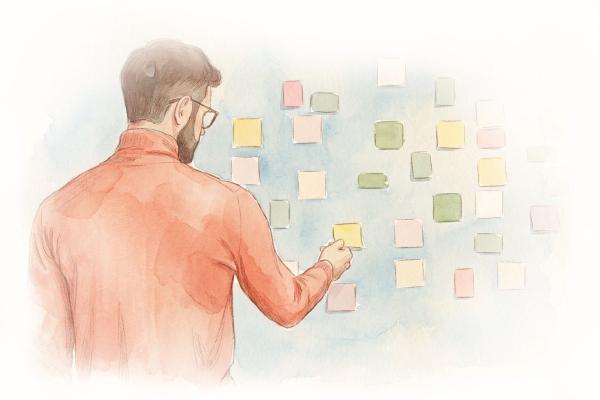
Paper planners, meanwhile, work differently. They require physical systems and physical space. Let’s say sticky notes, or tabs, or index pages. That means they can get damaged, lost, or simply tough to deal with as they keep filling up.
However, many people find that a beautifully organized paper planner is usually more satisfying to use compared to a digital dashboard. Because there’s something deeply rewarding about flipping to your weekly spread and seeing your week laid out in your own handwriting.
-
Cost and Long-Term Investment #
When it comes to digital planner usage, initial costs can be high. A good iPad or tablet can cost a couple of hundred dollars or more. Many digital templates or planner apps are free or one-time purchases, but some productivity apps also charge fees.
You can start using paper planners. A simple pen and notebook may be around $10 only. Premium planners (leather covers, fancy brands, etc.) cost more. When full, or each year, you need to buy a new planner. Plus, the cost of highlighters, pens, stickers, and washi tape also stacks up.
So who does it suit? Well, if you already own an iPad and wish to avoid recurring costs, digital is worth giving a shot. However, if you prefer a one-time purchase and don’t mind replacing planners, paper seems to be more budget-friendly.
Pros and Cons of Digital Planners #
Pros: #
- Sync Across Devices: Your planner is on every device you use, i.e., tablet, phone, and computer, and updates in real time.
- Unlimited Pages: You never run out of space and can add as many notes, pages, and lists as you like.
- Search & Index: Instantly find notes or tasks via hyperlinks or search.
- Easy Editing: Mistakes vanish with a tap. Rewrite or reschedule plans effortlessly.
- Cloud Backup: Your data is saved online, so losing your device doesn’t mean losing your schedule.
- Multimedia Options: Add voice memos, photos, and embedded links. Some apps even let you paste web clippings or videos.
Cons: #
- Digital Distractions: It lives on a device that also has games, emails, and social media. Notifications can distract you mid-planning.
- Screen Time: Staring at screens all day can lead to eye strain or burnout. If you’re already on a computer or phone all day, another screen might not help you “wind down”.
- Battery Dependence: Your planner is useless if your device dies or malfunctions (unless you’ve printed it).
- Learning Curve: Many apps have a learning curve. You might spend hours setting up the perfect template (and frustratingly figuring out how it works) before it feels comfortable.
Who benefits most: People who juggle multiple schedules (like work, family, fitness) and need to keep everything synced love digital. Tech enthusiasts who enjoy exploring cool apps or those who travel a lot (and can’t carry lots of notebooks) also thrive with digital planners.
Common misconceptions: Some think digital equals “always productive,” but a complex digital system can actually create new stress (thinking about battery life, or spending too long on setup). It’s not a magic fix for procrastination – you still need discipline to open the app every day.
Pros and Cons of Paper Planners #
Pros: #
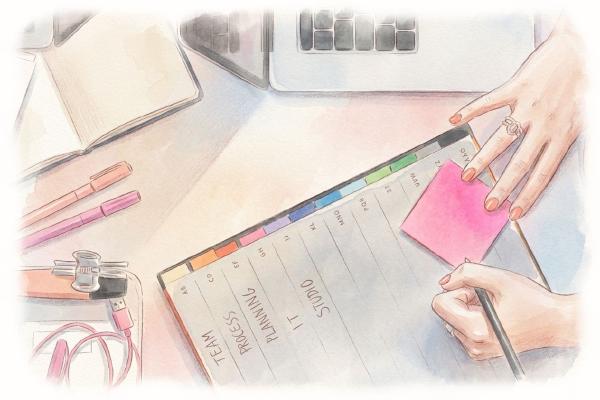
- Focus and Mindfulness: Writing by hand is tactile and tends to keep you more present. No notifications mean you can really concentrate on planning.
- Creative Outlet: A paper page is a blank canvas. You can doodle, scrapbook, and use colored pens without limits. For many, decorating a page is as motivating as completing tasks on it.
- No Tech Needed: No setup, no charging, no software updates. It’s reliable in a power outage or a poor Wi-Fi zone.
- Memory Boost: Studies show writing things by hand can improve retention. The very act of handwriting plans might help you remember them better.
- Portable Simplicity: A single notebook is often lighter to carry than a tablet. You know exactly where your planner is – tucked in a bag or on your desk.
Cons: #
- Static Pages: Made a mistake or a change? You might need white-out or to rewrite an entire page. And once it’s full, you need a new notebook.
- No Instant Search: Finding that note from three weeks ago means flipping pages. (Though good index pages or bookmarks can help.)
- Storage Overload: After a year, you’ll have a stack of used notebooks or planners. They’re great keepsakes, but take up shelf space.
- Limited Backup: If you lose your planner or spill coffee on it, your schedules can vanish with no recovery (unless you’ve photographed it as a backup).
Who benefits most: Journalers, artists, and anyone who loves the ritual of writing will cherish paper planners. They’re also great for those who dislike screen time or have visually oriented tasks (like designers, architects, or gardeners) where sketching is common.
Common misconceptions: Paper isn’t “less organized”; many find that the very act of writing and flipping pages helps them remember tasks. And while it’s called “old school,” plenty of serious professionals still swear by paper planning because of the focus it provides.
The Hybrid Planning Method: Can You Use Both? #
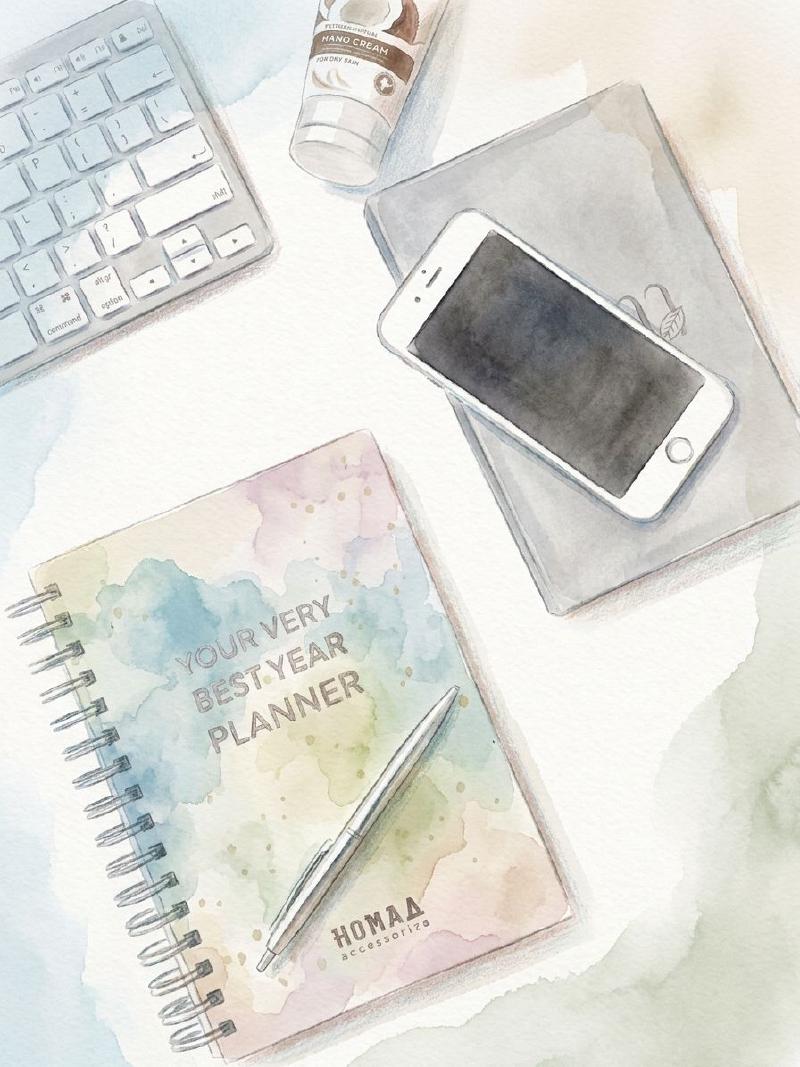
Absolutely! In fact, many find that blending digital and paper gives the best of both worlds. This hybrid approach might mean:
- Digital for Scheduling: Use a smartphone or calendar app for appointments, alarms, and to-dos that need reminders or quick edits. For example, sync work meetings, birthdays, or tasks with due dates in a digital calendar.
- Paper for Reflection & Creativity: Keep a printed journal or printable planning page for goal-setting, brainstorming, and personal reflections. You could print weekly planner pages, monthly vision boards, or a habit tracker from Weekly-Planner and fill them in by hand.
For instance, you might open your calendar on the phone each morning to review your day, but then grab your paper planner at night to journal highlights or doodle. Or vice versa – write a “brain dump” of tasks on paper, then decide which of those need digital reminders.
We offers printable planners, weekly planning pages, and reflection templates that you can incorporate into this hybrid system. For example, you could download a printable goal-setting worksheet to plan out a project in detail on paper, while still keeping digital reminders for deadlines.
Bottom Line #
In the end, neither a digital nor a paper planner is universally “better.” Each has clear strengths. Digital planners win for on-the-go syncing, infinite edits, and searchability. Paper planners win for focus, creativity, and that “writing it down” satisfaction. Many people thrive on a mix.
Whichever you choose (or both!), the key is consistency. A 98% phone ownership rate shows we all carry screens, but it doesn’t mean we must plan on them. Similarly, a simple notebook is always there, but only if we open it.
Try a week of pure digital planning and a week of pure paper planning. See which felt more intuitive. The best planner system is yours – the one you enjoy checking every morning and updating without dread.
Happy planning – whether it’s tapping a screen or turning a page!
Feature image by Francois Hoang on Unsplash