Have you ever felt like life was moving at lightning speed, ignoring your life goals completely? Well, you are not alone… we’ve all been there.
There are many people out there searching for proper direction but still struggling to find it.
And the reason? Endless responsibilities and hectic routines keep pulling them.
And let’s be honest, without proper guidance, balancing work and personal life can feel like walking a tightrope without a safety net.
So what to do here? Well, if you are also struggling with these things, creating a “life dashboard” can be your ultimate savior.
It not only helps you stay organized but also enhances your focus, fuels motivation, and ultimately shapes better ideas.
Want to know what it is and how you can create one for yourself? Keep scrolling!
What is a Personal Life Dashboard? #
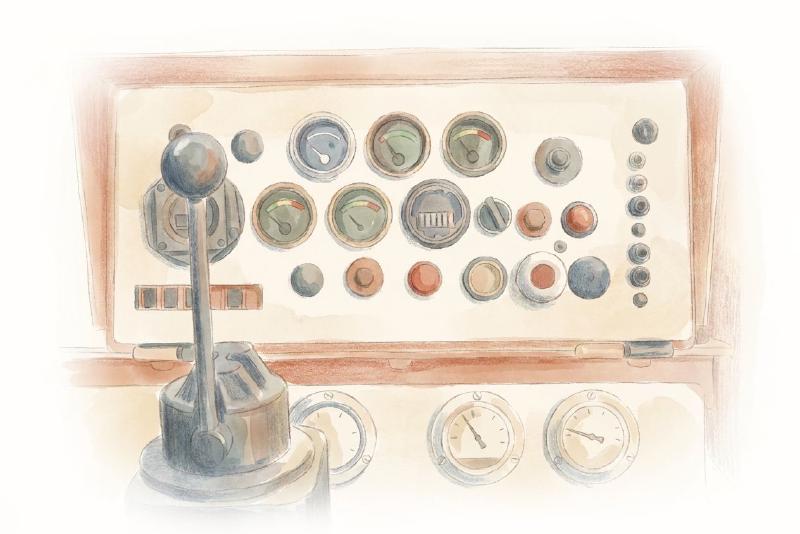
As the name suggests, a personal dashboard is something in which you can keep track of your personal life.
Think of it like the dashboard of a car.
When you’re driving, you don’t need to pop open the hood every few miles to check on things.
You look at the dashboard: your speed, your fuel, your engine light.
Everything you need to know is right there, at a glance, so you can keep moving forward without losing control.
There are times when we lose ourselves completely in the middle of life’s daily chaos, barely getting a moment to come up for air.
Every now and then, we struggle to remember:
- How much money do I usually spend in a day?
- Where was I last week at this time?
- How long have I had this pain in my knee?
These gaps often leave us feeling one step behind.
We make decisions having incomplete information, depend on guesswork, and simply go with our gut, hoping everything falls into place somehow. But that’s not how it works!
Why Use a Personal Life Dashboard? #
Simply put, a life dashboard can assist you in managing your daily tasks more easily and effectively, so everything feels more organized and under control.
Whether it’s about the task they perform, how many hours you sleep, or how many servings of rice you eat in a meal. A comprehensive life dashboard can help you sort this out.
Let’s look at how creating a life dashboard can actually help you!
Small Wins That Build Long-Term Motivation #
Any win, even a small win, gives you sufficient internal motivation to keep going. Observing your growth week after week can help you stay inspired to work hard and continue with a long-term, difficult objective.
Real-Life Experiences That Support the Dashboard Approach #
Many people who have created personal life dashboards share similar experiences that support this idea. When goals like weight loss or habit building are tracked consistently, real progress becomes much more visible and easier to follow.
Builds Accountability and Better Decision-Making #
Tracking is effective because it increases self-awareness and accountability. By offering clear feedback and small nudges, it helps people to see both their positive habits and areas that need improvement.
Once the reality of their patterns becomes clear, it becomes easier for them to make better decisions and stay consistent with their goals.
Things to Put in Personal Dashboard: An Easy Setup #
So, what comes next? Now that you understand what a life dashboard is and how it can support your routine, the real question is how to actually build one for yourself.
How do you turn this idea into something practical that improves your everyday life? Let’s find out.
1. Personal Fitness Stats #
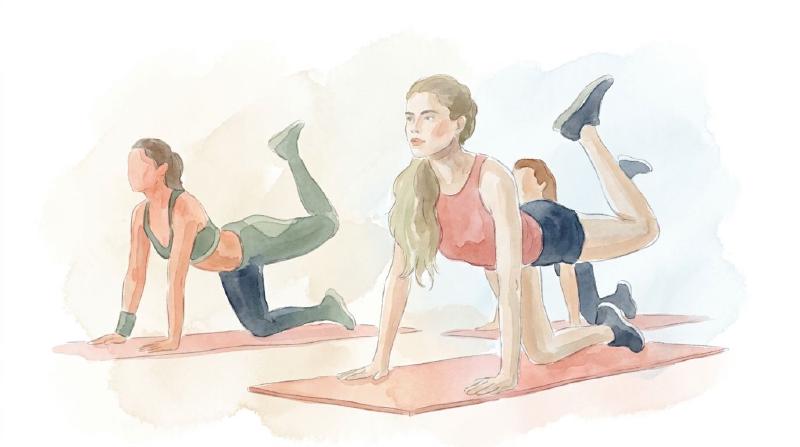
I like to monitor my health, and a weekly review is a simple yet effective way to track my habits and clearly see my progress.
My daily health stats and activities are recorded regularly in my planner, allowing me to organize everything in one place without feeling overwhelmed.
By reviewing my progress consistently, it becomes much easier to spot patterns, stay accountable, and keep my dashboard clear, structured, and easy to follow. I track:
- Daily steps
- Floors climbed
- Miles run or walked.
I keep things fairly simple by using tools that can handle most of the tracking automatically.
2. Personal Reading Stats #
Who doesn’t enjoy reading? Well, my life dashboard shows that I haven’t read a book in around a year!
How I set it up: Every time I finish a book, I simply note down the book title and the completion date in my weekly planner.
It’s a really simple system, but honestly, that’s what makes it work so well. Instead of overcomplicating things, I can quickly keep track of what I’ve read and easily look back at my progress whenever I want.
Let’s say:
- Number of books read each month
- Kinds of books (fiction and non-fiction).
You might monitor additional statistics, but these are the ones that I find most useful.
3. Personal Travel Stats #

Want to go somewhere? Nations to visit?
Honestly, I personally keep track of all the places I’ve been on my life dashboard, since sometimes I forget about them!
I’ve created a simple section in my weekly planner where I record every country I visit along with the year of the trip. It’s honestly a fun way to look back at all the places I’ve been, especially because it’s surprisingly easy to forget a few over time.
Of course, there are more advanced ways to automate and organize travel tracking, but I prefer keeping things simple and manageable. Sometimes, writing things down manually just feels more personal and easier to stick with in the long run.
You can track:
- The nation I visited and the year I did so.
- Of course, there are other statistics, but whatever. Let’s do it later
4. Set One Clear Goal for Each Area of Your Life #
Let’s be real for a second. Saying things like “I want to get healthier” or “I should be more productive” sounds nice, but your brain has no idea what to actually do with that.
It’s like trying to hit a target in the dark.
That’s why every area of your life dashboard should have one clear and meaningful goal attached to it. Something simple, specific, and easy to track.
For example:
- Weak goal: “Be healthier.”
- Better goal: “Work out three times a week and drink more water daily.”
See the difference? One is just a thought floating around in your head, while the other actually gives you direction.
5. Build a Weekly Review Habit That Keeps You on Track #
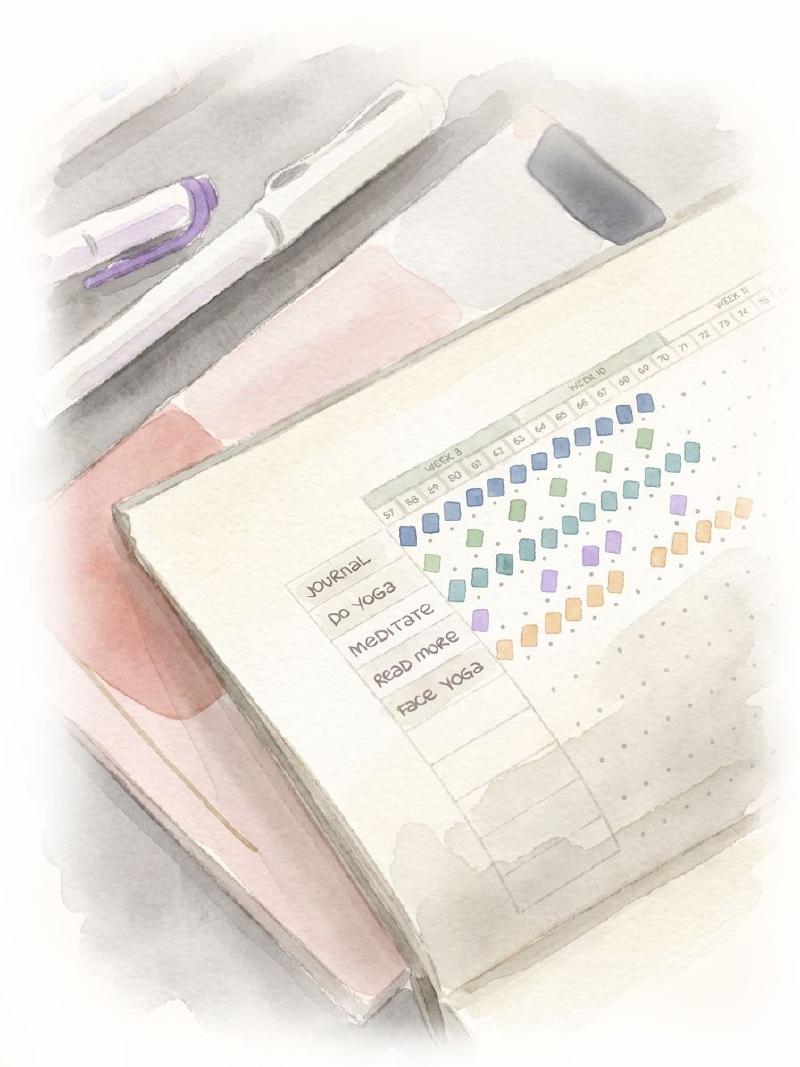
Here’s something important to understand: a life dashboard is not one of those things you set up once and then forget about forever.
Life changes constantly, and your dashboard should grow along with it.
That’s where a weekly review comes in.
And no, this doesn’t have to be some long and exhausting process. Even setting aside just 15–20 minutes once a week can make a huge difference.
Sunday evenings usually work best because they give you a chance to reset before a new week begins.
During that time, just sit down with your dashboard and ask yourself a few honest questions:
- What did I actually get done this week?
- Which areas slipped through the cracks?
- What’s the one thing I should focus on next week?
That’s it. Simple, right?
Tips for Staying Consistent and Overcoming Roadblocks #
A personal dashboard is, no doubt, a simple yet powerful way to take the stress out of these everyday challenges, helping you grasp the situation more clearly.
So if you ever feel like you’ve stopped making progress in a certain area of your life, this incredible strategy can help you get back on track.
But the thing is, being consistent can be challenging at first. So, here are some helpful strategies:
-
Start small: Don’t make sudden changes to your life all at once. Start with one or two keystone habits.
-
Pair habits: Add a new habit to an existing one. For example, you can meditate for two minutes right after brushing your teeth.
-
Observe your progress: Being aware of a streak increase encourages you to keep going.
-
Remain flexible: Instead of giving up, move the habit to the nights if the mornings don’t work.
-
Increase responsibility: For motivation, join online communities or discuss your goals with a friend.
Note that progress is more important than perfection. It doesn’t matter if you miss a day; what matters is that you return.
Final Thoughts #
Most people don’t fail to achieve their goals because they lack motivation. But because they don’t have a clear idea about what they want to do.
They don’t have a clear picture of what they’re building, where they currently stand, or what needs attention right now; they’re essentially flying blind.
And for these people, a life dashboard can be a game-changer in organizing their routine affairs.
It can serve as a GPS for your life, helping you keep track of everything so you don’t get lost in the hustle and bustle of everyday life.
Ready to bring your life dashboard to life? Check out our weekly planner templates and printables now.
Feature image by Launde Morel on Unsplash