You feel frustrated. No matter how hard you try, your biggest and most important tasks never seem to get finished.
They sit on your to-do list for days or even weeks, leaving you stressed, guilty, and wondering why you cannot move forward.
It does not seem fair.
You work just as hard as everyone else, maybe even harder. You know exactly which tasks deserve your attention. You manage your time carefully and try to stay productive.
Yet when it is finally time to begin a challenging task, getting started feels almost impossible, and finishing it feels even harder.
So you begin to wonder if you are doing something wrong. Is there a hidden mistake that keeps holding you back?
The answer is yes.
The problem is called decision fatigue, and it may be draining your energy more than you realize. Want to know more about it? Then keep scrolling!
When Simple Tasks Start Feeling Impossible #

Ever wonder why even the smallest chores feel overwhelming after a long day?
You come home knowing exactly what needs to be done. The dishes are waiting, the trash needs to go out, and there are a few more tasks on your list. Yet somehow, getting started feels harder than it should.
Sound familiar?
If you’ve experienced this, you’re not lazy or unmotivated. After making countless decisions throughout the day, your brain simply runs low on the capacity needed to stay active. As a result, even simple tasks get pushed aside, and the same frustrating cycle repeats day after day.
This decision fatigue could be the hidden reason your productivity slips when you need it most.
The Hidden Productivity Killer You Rarely Notice #
What if the biggest obstacle to getting things done isn’t a lack of time, but the number of choices you make each day?
From deciding what to wear in the morning to choosing what to eat or which task to tackle first, your brain is constantly making decisions. While each one seems small, together they make you tired even more quickly.
By the time you’re ready to focus on what truly matters, your mental energy has already been stretched thin.
Have you ever caught yourself:
- Opening your inbox instead of starting an important project?
- Reaching for your phone “just for a minute” and losing track of time?
- Choosing the easiest task simply because it feels less overwhelming?
- Putting off meaningful work until tomorrow, even though you know it should be done today?
If so, you’re not alone. These common signs of decision fatigue can quietly keep you from making progress on the work that deserves your attention.
Ready to Make Better Decisions? Start Here #
Wondering how to get rid of fatigue to make better decisions? If yes, then these strategies are for you to try!
1. Stop Eating Whatever and Whenever You Want #

It often starts with something as simple as deciding what’s for dinner, only to waste time deciding.
It might seem like a small choice, but food is one of the many decisions you make every day. In fact, research suggests that people make hundreds of food-related decisions daily, and each one uses a little more brainpower.
The good news? You don’t have to reinvent the wheel every mealtime. A simple meal plan takes those decisions off your plate, leaving you with more attention for your highest priorities.
Not sure where to begin? These tips will help:
| Tip | Benefit |
|---|---|
| Keep meals varied | Rotate fruits, vegetables, and sides to avoid boredom. |
| Prepare ahead | Prepped meals save time and reduce daily decisions. |
| Eat consistently | Regular meals help maintain energy and focus. |
Small changes like these may not seem like much, but together they can take one more decision off your plate so you can focus on other things.
2. Make Shopping Decisions Before You Leave Home #
Shopping may seem like a simple errand, but it often involves dozens of small decisions before you even reach the checkout.
Every aisle presents new choices:
- Which brand should you buy?
- What size is the best value?
- Should you try something new or stick with what you already know?
While none of these decisions feels significant on its own, they can quickly add up and leave you mentally exhausted.
Fortunately, there’s a simple way to avoid this.
Before leaving home, make most of your shopping decisions in advance. A little preparation can save you time, reduce stress, and help you avoid unnecessary choices once you’re in the store.
Try these simple habits:
- Keep a running shopping list
- Stick with products you already trust
Why does this work?
When you’ve already decided what to buy before stepping into the store, you’re far less likely to get caught up comparing every option on the shelf. Instead, you can shop with confidence, finish faster, and save your mental energy for the decisions that truly matter.
3. Stop Letting Other People’s Decisions Drain Your Energy #
Why does choosing a place to eat sometimes feel harder than eating the meal itself?
When every decision gets passed back and forth, even simple plans can become surprisingly exhausting.
Here are a few simple ways to make shared decisions easier:
- Take turns making the call: Instead of putting the responsibility on one person every time, rotate who gets to decide. It keeps things fair and saves everyone from overthinking.
- Narrow down the options: If someone struggles to make a choice, ask them to pick their top two options. Choosing between two is often much easier than choosing from ten.
- Encourage confident decisions: A little positive feedback goes a long way. When someone makes a choice, appreciate the effort instead of focusing on whether it was perfect.
The goal isn’t to make every decision perfectly. It’s to avoid spending unnecessary time and energy on choices that don’t deserve it.
4. Clear Away the Digital Distractions That Steal Your Focus #
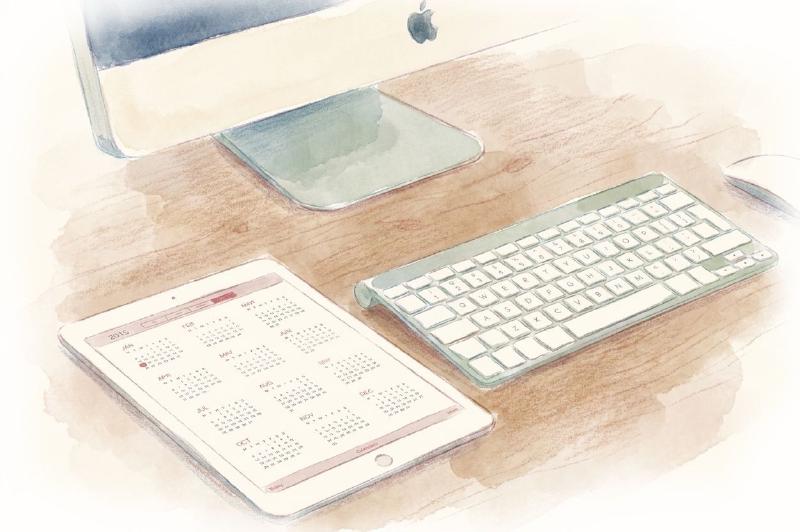
A long to-do list may tell you what needs to be done, but it doesn’t tell you when to do it. That’s where time blocking can make all the difference.
Instead of keeping every task in your head, assign it a specific time on your calendar. Whether it’s focused work, replying to emails, attending meetings, or taking a break, treating each task like a scheduled appointment helps you stay organized and reduces the number of decisions you need to make throughout the day.
But what does a simple time-blocking schedule look like? Here’s one example:
- 8:00–10:00 a.m. → Focus on your most important project without distractions.
- 10:00–10:30 a.m. → Reply to emails and messages.
- 10:30–11:30 a.m. → Attend meetings or make phone calls.
- 1:00–3:00 p.m. → Continue project work or tackle your next priority.
- 3:00–3:30 p.m. → Review your progress and plan tomorrow’s tasks.
Of course, your schedule doesn’t have to look exactly like this. You can work on each type of task before your day begins.
5. Create a Daily Plan That Keeps You Moving Forward #
A productive day rarely starts with deciding what to do next. It begins with knowing exactly where your time and energy need to go.
When every task requires a new decision, it’s easy to lose momentum before you’ve even started. But when you have a clear plan in place, you can move from one priority to the next without constantly stopping to figure out your next step.
- Plan Your Top Priorities: Schedule your most important tasks first, before filling your day with smaller responsibilities.
- Create Fixed Time Blocks: Assign regular times for recurring activities like checking emails, meetings, exercise, or planning. The more routine they become, the fewer decisions you’ll need to make.
- Group Similar Tasks: Handle similar work, such as emails, phone calls, or administrative tasks, in one dedicated block to avoid constantly switching between activities.
- Leave Buffer Time: Add short breaks between tasks to handle delays or unexpected work without disrupting your entire schedule.
- Keep a Running Task List: Write down new ideas and responsibilities as they come up, then schedule them later instead of trying to remember everything.
- Review Your Schedule: Before starting work, take a few minutes to review your calendar so you know exactly what comes next.
- End the Day with Tomorrow in Mind: Spend a few minutes planning the next day’s priorities. Starting with a clear plan helps you avoid decision fatigue the following morning.
Try following a schedule like this and see the difference for yourself. You may be surprised by how much it reduces decision fatigue and helps you stay focused throughout the day.
Small Decisions Can Lead to Big Changes #
Decision fatigue is something we all experience, but it doesn’t have to dictate how productive your day will be. By reducing unnecessary decisions and building simple routines, you can protect your mental energy, stay focused on your priorities, and make meaningful progress without feeling overwhelmed.
As you begin making fewer decisions throughout the day, you’ll likely find it easier to stay consistent, tackle important tasks, and finish each day with a greater sense of accomplishment.
Ready to build a system that helps you work smarter, not harder? Explore the free productivity training posts at weekly-planner.com and discover practical strategies for creating daily routines.